


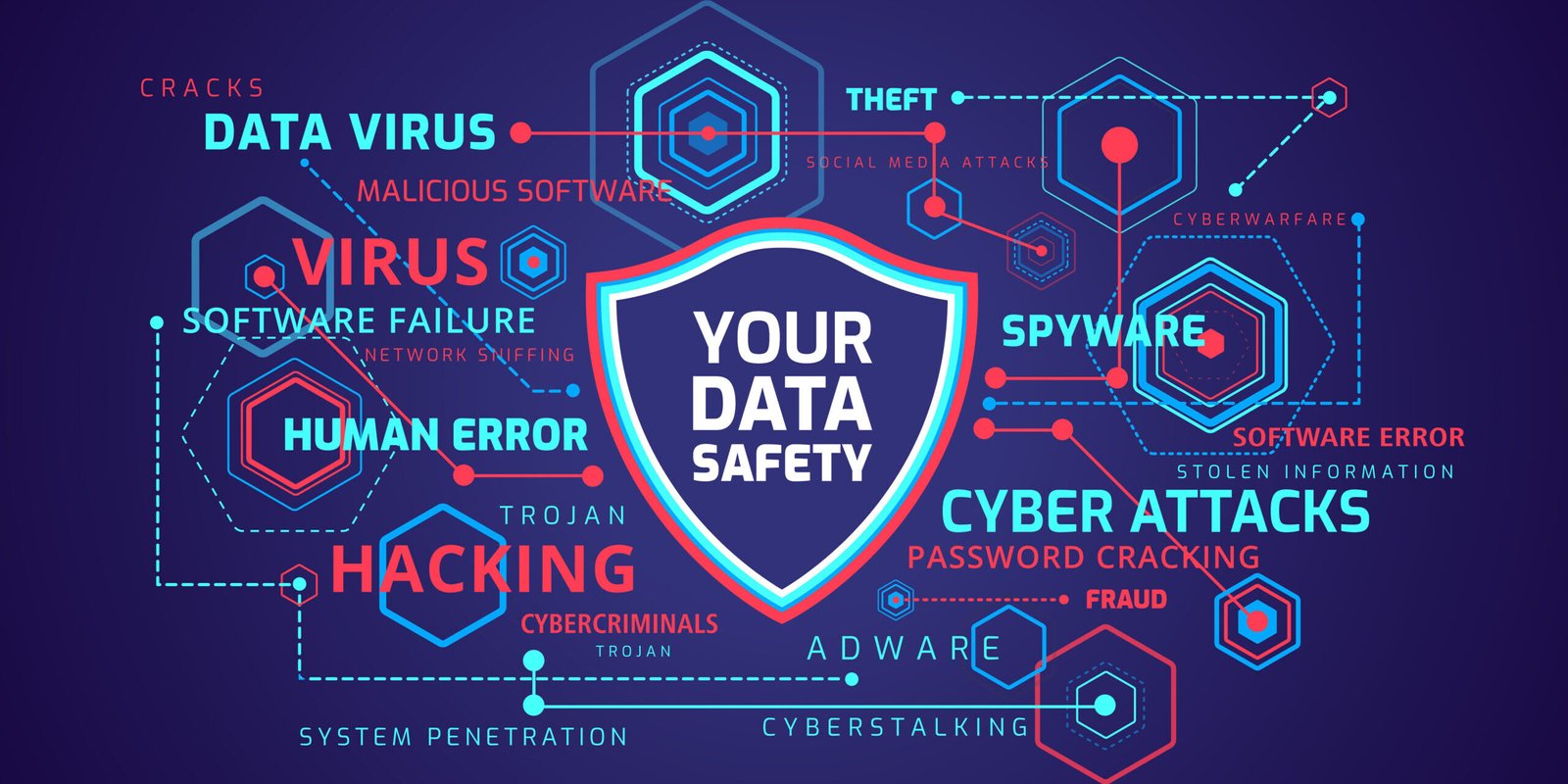


BEST CYBERSECURITY PROGRAM BY LYFAUX
Learn ethical hacking, network security and digital forensics from industry professionals. Along with Hands-on training + certifications + career guidance.
Master the skills that shape the future of technology and become the Top 1% with our Cybersecurity Program!
About Course
Learn the Fundamentals and Advanced Cybersecurity and grow your skill set with Courses and Certificates, Taught by Industry Leaders.
CAREER OPPORTUNITIES
After course completion, you can become:
Ethical Hacker
Cybersecurity Analyst
SOC Analyst
Penetration Tester
Bug Bounty Hunter
Security Researcher
And Much More
Why LYFAUX
🏆 Why should you choose this program?
Taught by Real-World Cybersecurity Professionals
Real-Time Project-Based Learning
Live Online & Offline Sessions Available
Community Access & Career Guidance
Internship Opportunities with Partner Companies
Certification Recognized by Employers
This Cybersecurity certification course is designed to empower you with job-ready skills that are and will continue to be in high demand. By the end of this, you’ll not only understand the theory but also know how to apply these skills to solve real-world problems.
📘 Module 1: Introduction to Cybersecurity
🔹 Topics Covered:
What is Cybersecurity?
Types of Cyber Attacks
CIA Triad (Confidentiality, Integrity, Availability)
Threat Actors & Categories
Security Domains & Terminologies
🛠️ Tools Used:
Google Dorking, HaveIBeenPwned, MITRE ATT&CK
🎯 Learning Outcome:
Understand core concepts, cyber threats, and career paths in cybersecurity.
🌐 Module 2: Networking Basics
🔹 Topics Covered:
OSI & TCP/IP Models
IP Addressing, Subnetting
DNS, DHCP, ICMP
Network Devices & Protocols
🛠️ Tools Used:
Cisco Packet Tracer, Wireshark, IPScanner
🎯 Learning Outcome:
Gain a strong foundation in networking essential for ethical hacking.
🐧 Module 3: Linux & Windows for Security
🔹 Topics Covered:
Linux Command Line Essentials
File & Process Management
User Permissions & SSH
Windows CMD & PowerShell Basics
🛠️ Tools Used:
Kali Linux, Ubuntu, PowerShell ISE
🎯 Learning Outcome:
Operate and navigate Linux and Windows systems like a pro hacker.
🔐 Module 4: Ethical Hacking & PenTesting
🔹 Topics Covered:
Phases of Hacking (Recon to Reporting)
Vulnerability Scanning
Exploitation Techniques
Password Cracking & Hashes
🛠️ Tools Used:
Nmap, Metasploit, Hydra, John the Ripper, Shodan
🎯 Learning Outcome:
Perform real-world ethical hacking on systems & networks.
🌍 Module 5: Web Application Security (OWASP)
🔹 Topics Covered:
OWASP Top 10 Attacks (XSS, SQLi, CSRF, etc.)
Authentication & Session Hijacking
File Upload & SSRF Attacks
🛠️ Tools Used:
Burp Suite, DVWA, Juice Shop, ZAP Proxy
🎯 Learning Outcome:
Identify and exploit common web vulnerabilities ethically.
🕵️ Module 6: Bug Bounty Hunting
🔹 Topics Covered:
Finding Bounty Programs (HackerOne, Bugcrowd)
Recon Techniques
Low-Hanging Vulnerabilities
Reporting & Disclosure
🛠️ Tools Used:
Sublist3r, Amass, Wayback Machine, Burp Suite Extensions
🎯 Learning Outcome:
Start earning with ethical hacking through bug bounty platforms.
🧪 Module 7: Malware Analysis & Reverse Engineering
🔹 Topics Covered:
Malware Types & Behavior
Static & Dynamic Analysis
Assembly & Debugging Basics
🛠️ Tools Used:
PEStudio, Cuckoo Sandbox, x64dbg, Ghidra
🎯 Learning Outcome:
Understand how malware works and how to dissect it.
📶 Module 8: Wireless & IoT Security
🔹 Topics Covered:
WiFi Protocols & Cracking
Evil Twin Attacks
IoT Threats & BLE Hacking
🛠️ Tools Used:
Aircrack-ng, WiFite, Bettercap, ESP8266
🎯 Learning Outcome:
Assess and secure wireless and IoT devices.
☁️ Module 9: Cloud Security
🔹 Topics Covered:
AWS, GCP, Azure Security Basics
IAM, Cloud Misconfigurations
Common Threats in Cloud
🛠️ Tools Used:
ScoutSuite, Prowler, CloudSploit
🎯 Learning Outcome:
Apply basic security techniques in cloud environments.
🧾 Module 10: Digital Forensics & Incident Response
🔹 Topics Covered:
Forensics Process & Chain of Custody
Disk, RAM, Log Analysis
Incident Handling Steps
🛠️ Tools Used:
Autopsy, FTK Imager, Volatility, Splunk
🎯 Learning Outcome:
Investigate cyber incidents and recover digital evidence.
🛡️ Module 11: SOC & SIEM Training
🔹 Topics Covered:
SOC Roles (L1 to L3)
SIEM Basics & Dashboards
Event Correlation & Alerts
🛠️ Tools Used:
ELK Stack, Wazuh, Splunk
🎯 Learning Outcome:
Learn how to monitor and respond to cyber threats in real-time.
⚖️ Module 12: Cyber Laws & Compliance
🔹 Topics Covered:
Indian IT Act, GDPR, HIPAA, PCI-DSS
Privacy & Consent
Legal Aspects of Hacking
🛠️ Tools Used:
Case Studies, Policy Templates, Online Compliance Portals
🎯 Learning Outcome:
Understand legal and ethical responsibilities in cybersecurity.
🛠️ Capstone Path 1: Web Application Penetration Testing
🔹 Project Objective:
Perform a full penetration test on a vulnerable web application, following ethical hacking methodologies.
📋 Tasks:
Reconnaissance & Information Gathering
Vulnerability Scanning (OWASP Top 10 focus)
Manual Exploitation (SQLi, XSS, CSRF, etc.)
Reporting with Screenshots & Remediation Steps
🧰 Tools Required:
Burp Suite, OWASP ZAP, Nmap, Nikto, Dirbuster, DVWA / Juice Shop
🎯 Final Deliverables:
Full Penetration Testing Report (PDF)
Vulnerability Details with PoCs
Remediation & Security Recommendations
👨💼 Ideal For:
Those interested in Bug Bounties, Web App Security, or Ethical Hacking Roles
📶 Capstone Path 2: Wireless Network & IoT Security Audit
🔹 Project Objective:
Audit the security of a simulated smart home or small office environment including wireless access points and IoT devices.
📋 Tasks:
Wireless Recon & Cracking (WEP/WPA2)
Evil Twin & MITM Simulation
Scanning and Exploiting IoT Devices
Drafting a Complete Security Assessment Report
🧰 Tools Required:
Aircrack-ng, Wireshark, Bettercap, ESP8266 Tools, Shodan
🎯 Final Deliverables:
IoT & Wireless Attack Simulation Report
Captured Packets / Evidence Screenshots
Secure Network Configuration Guide
👨🔬 Ideal For:
Students pursuing careers in Network Security, IoT Security, or Pentesting
☁️ Capstone Path 3: Cloud Security Assessment
🔹 Project Objective:
Perform a security review of a cloud-hosted environment (AWS or GCP) and detect misconfigurations.
📋 Tasks:
Setup or access a cloud sandbox account
Audit IAM Roles, Policies & Bucket Permissions
Scan for Exposed Services or Secrets
Identify Vulnerable Configurations & Create a Fix Plan
🧰 Tools Required:
ScoutSuite, Prowler, AWS CLI, CloudSploit, Terraform (optional)
🎯 Final Deliverables:
Cloud Risk Assessment Report
Screenshots of Configs & Findings
Secure Architecture Recommendations
👩💻 Ideal For:
Learners aiming for Cloud Security, DevSecOps, or Compliance roles
🧪 Capstone Path 4: Malware Analysis & Reverse Engineering
🔹 Project Objective:
Analyze and dissect a piece of malware in a controlled environment to understand its behavior and create a detection signature.
📋 Tasks:
Perform Static Analysis (strings, headers, structure)
Conduct Dynamic Analysis in a sandbox
Use debuggers and disassemblers
Document Indicators of Compromise (IOCs)
🧰 Tools Required:
Ghidra, PEStudio, Cuckoo Sandbox, x64dbg, VirusTotal
🎯 Final Deliverables:
Malware Analysis Report
Behavioral Flowchart / Process Tree
Custom YARA Detection Rule
👾 Ideal For:
Those interested in Threat Intelligence, Malware Research, or Reverse Engineering Roles
📊 Capstone Path 5: Digital Forensics & Incident Response (DFIR)
🔹 Project Objective:
Simulate a cyber incident (e.g., unauthorized access) and conduct a forensic investigation to identify the attack vector and gather evidence.
📋 Tasks:
Collect Disk & Memory Images
Analyze Logs, Registry, Network Artifacts
Use Timeline & Triage Analysis
Document Findings in a Legal-Style Report
🧰 Tools Required:
Autopsy, FTK Imager, Volatility, Redline, Wireshark
🎯 Final Deliverables:
Forensic Investigation Report
Timeline of Events & Findings
Incident Response Plan
🕵️ Ideal For:
Students targeting roles in Cybercrime Investigation, DFIR, or SOC Analyst
🧩 Capstone Path 6: Security Automation & SIEM Implementation
🔹 Project Objective:
Design a mini Security Operations Center (SOC) and automate the monitoring of simulated threats using SIEM tools.
📋 Tasks:
Set up a centralized log monitoring system
Correlate Events to Detect Threats
Create Custom Alerts and Dashboards
Automate Response Workflows (Email, Slack, Scripts)
🧰 Tools Required:
Splunk, Wazuh, ELK Stack, Sigma Rules, Python (for scripting)
🎯 Final Deliverables:
Functional SIEM Setup Documentation
Custom Rules & Dashboards
Use Cases & Playbooks
🧠 Ideal For:
Learners looking to enter SOC, Threat Hunting, or Security Automation roles
Adam Smith
Click edit button to change this text. Lorem ipsum dolor sit amet, consectetur adipiscing elit. Ut elit tellus, luctus nec ullamcorper mattis, pulvinar dapibus leo.
Jhon Deo
Click edit button to change this text. Lorem ipsum dolor sit amet, consectetur adipiscing elit. Ut elit tellus, luctus nec ullamcorper mattis, pulvinar dapibus leo.
Maria Mak
Click edit button to change this text. Lorem ipsum dolor sit amet, consectetur adipiscing elit. Ut elit tellus, luctus nec ullamcorper mattis, pulvinar dapibus leo.
Jackma Kalin
Click edit button to change this text. Lorem ipsum dolor sit amet, consectetur adipiscing elit. Ut elit tellus, luctus nec ullamcorper mattis, pulvinar dapibus leo.
Amily Moalin
Click edit button to change this text. Lorem ipsum dolor sit amet, consectetur adipiscing elit. Ut elit tellus, luctus nec ullamcorper mattis, pulvinar dapibus leo.
Enagol Ame
Click edit button to change this text. Lorem ipsum dolor sit amet, consectetur adipiscing elit. Ut elit tellus, luctus nec ullamcorper mattis, pulvinar dapibus leo.
Adam Smith
Shashank Rao
This course turned my curiosity into a full-blown career. The hands-on labs, real-world tools, and bug bounty path gave me everything I needed to land freelance projects!
Sanya Tanveer
I never thought I’d enjoy cybersecurity this much! The structured path from basics to advanced made it super beginner-friendly. Loved the Web App Hacking module the most!
Ankit Manohar
The Linux and Networking modules alone were worth it. I've already used some of the techniques at my job to tighten internal security.
Ali Rehman
Found my first vulnerability on a live website while practicing from this course! The Bug Bounty module and recon techniques are pure gold.
Neha P
The Digital Forensics path was exactly what I needed. I now understand how to trace incidents and document digital evidence properly. Highly recommend!
Rajveer Dixit
We included this course as part of our college's cyber curriculum. The clarity and depth are perfect for students and easy for instructors to integrate.
Harsh Kumar
I’ve taken cloud certifications before, but this course gave me the security perspective I was missing. The Cloud Misconfiguration demo was 🔥.
Vivek Tyagi
Helped me crack my SOC interview! The SIEM training and incident response cases are as close to real-world as it gets.
Meher S
No fluff, no filler—just straight-up knowledge and practical labs. It’s hard to find quality like this at such an affordable price.
Kunal Jay
From not knowing the difference between a firewall and a proxy, to scanning networks using Nmap—I’ve come a long way in just a few weeks!
FAQS
Frequently asked questions
This course is designed for students, IT professionals, and absolute beginners who want to start or transition into the field of cybersecurity. Whether you’re in college, already working in tech, or just exploring, this course adapts to all levels.
No! We start with foundational concepts, including networking and Linux basics. No prior coding or cybersecurity experience is required—just a willingness to learn.
It’s a perfect blend of both. You’ll get hands-on labs, real-world tools, and ethical hacking simulations, along with the theoretical knowledge to understand the “why” behind everything.
You’ll work with industry-standard tools like:
Kali Linux
Burp Suite
Nmap
Metasploit
Wireshark
Splunk
Ghidra
Autopsy
AWS/GCP Security tools
…and many more.
Yes! You’ll receive a recognized certificate of completion after successfully finishing all modules and the capstone project. This can be added to your resume and LinkedIn.
You can choose from multiple Capstone Paths like:
Web Application Pentesting
Cloud Security Assessment
Malware Analysis
Digital Forensics
…and more. These are real-world simulations designed to build your portfolio.
Absolutely. The course prepares you for entry-level roles like SOC Analyst, Ethical Hacker, Security Consultant, and more. Plus, it gives you practical experience that recruiters look for.
It’s a one-time payment with lifetime access to the course content, updates, and future bonus modules.
You can complete it in 2 to 3 months with consistent learning, but since it’s self-paced, you can go as fast or slow as you want.
We offer doubt support via community chat, live sessions, and a ticket-based query system. You’re never alone in your learning journey.